

Introduction
Close your eyes for a moment and allow yourself to be whisked away on a sensory journey. Imagine holding a piece of fine chocolate. The rich, tantalizing aroma wafting up to your nose. The smooth, velvety texture under your fingertips. Now, place the chocolate in your mouth and feel it gently melting on your tongue, releasing a symphony of flavors – a delicate sweetness, a hint of bitterness, a whisper of fruitiness. This is the magic of chocolate. But, have you ever wondered how this delightful piece of joy came to be? What happens behind the scenes at chocolate factories that transforms humble cacao beans into this delectable treat? Let’s embark on a mouthwatering adventure to uncover the secrets of the chocolate-making process – welcome to the secret life of chocolate!
Behind The Scenes – The Art of Making Chocolate
Chocolate’s journey to your mouth begins long before it appears on store shelves. The story starts with Theobroma Cacao, a special tree that grows in the tropics, carrying precious pods housing cacao beans – the heart of all our beloved chocolate products.
Firstly, the cacao pods are harvested by hand using a machete, after which the beans and pulp are extracted. The beans are then allowed to ferment – a critical step that influences the chocolate’s ultimate flavor profile.
After fermentation, the cacao beans are thoroughly dried before being shipped to chocolate factories. Here, the beans are roasted, unlocking a wide spectrum of flavors. Post-roasting, the beans are crushed, separating the nibs from the shells. The nibs – tiny, flavorful bits of the cacao bean – are then ground into a thick, chocolatey paste known as chocolate liquor.
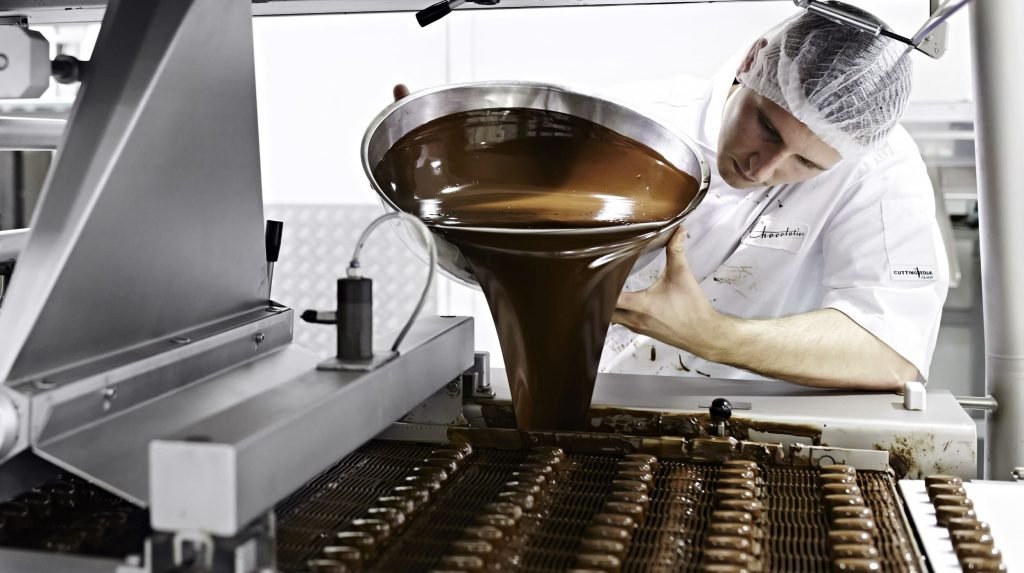
Here’s where the wizardry escalates. The chocolate liquor is conched – rigorously mixed – to refine the texture of the chocolate. It’s then tempered – cooled slowly – to give it that glossy finish and perfect ‘snap’, quintessential to quality chocolate. Lastly, it’s molded into the familiar, irresistible shape we all love.
Practical Tips and Magical Tricks
Now that you’re familiar with the process, let’s delve into some secrets and tips to enhance your chocolate encounter.
Always check the cacao percentage when buying chocolate, as it denotes the true chocolate content — higher the number, better the quality. Dark chocolate is a great choice for baking as its strong flavors beautifully complement the sweetness of baked goods. Remember, when baking, a high-quality dark chocolate boasting 70% or more cacao content will add a powerful, rich flavor to your desserts.
Ever thought of pairing chocolate with your favorite wine? Try complementing a dark chocolate with a bold red wine like Cabernet Sauvignon, or pair a creamy milk chocolate with a light white wine like Pinot Grigio.
The Joy of Being a Chocophile
Chocolate is so much more than just a food product – it’s a sensory experience that tells a story. Each bite takes you on the journey of the cacao bean, from the tropical tree to the factory floor, and finally, into your hands.
Next time you indulge, pause and appreciate the complex flavors. Do you taste hints of fruit or nuttiness? Does the texture remind you of pure silk, or does it have a bit of a crunch? Make every chocolate encounter personal and unique.
Fun Facts and Chocolatey Tidbits
Ever wondered how many cacao beans go into making your chocolate bar? You’ll be amazed to know – it takes around 400 cacao beans to make just one pound of chocolate! And did you know, chocolate was once used as currency by ancient civilizations including the Mayans?
Go ahead, flaunt these facts next time you’re enjoying a chocolate treat!
Conclusion
We hope you’ve enjoyed this journey – from the tropical rainforests to the artistry of a chocolate factory. Armed with this newfound knowledge and appreciation, we invite you to savor a piece of chocolate in a whole new light. Can you now taste the story? Let us know about your next chocolate adventure in the comments below!