

Introduction: An Ode to the Humble Cacao Bean
There’s something almost magical about biting into a piece of quality chocolate—the aroma that fills your nostrils as you unwrap it, the initial snap as you break off a piece, the velvety smooth texture as it yields under your bite, and finally, that perfect burst of complex, bitter-sweet flavors that delight your palate. But have you ever stopped to ponder the origins of this heavenly treat? That’s where our journey starts today. At the heart of this exploration is the humble cacao bean, the primary building block of every chocolate bar you’ve ever enjoyed.
Topic Overview: The Cacao Bean Saga
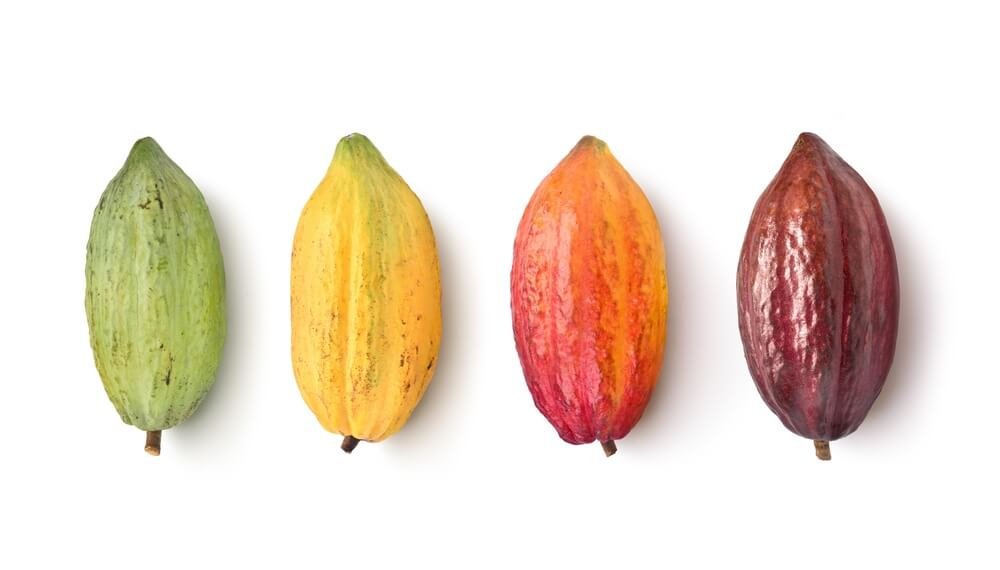
Our beloved chocolate commences its life inside a football-shaped pod growing amid the lush foliage of Theobroma cacao trees. These trees are predominantly grown in West Africa, Central, and South America, each bearing unique cacao varieties influenced by geographical and climatic conditions.
First off, let’s meet the most commonly used cacao beans—Criollo, Trinitario, and Forastero. Criollo, often referred to as the ‘prince of cacaos,’ is the rarest and most pricey. Prized for its delicate yet complex flavors, it accounts for a tiny share of the world’s cocoa production.
Forastero, often dubbed the ‘workhorse of cacao,’ is the most widely grown type. Its hardy nature and resistance to disease make it a popular choice among growers, though its flavor lacks the sophistication of its Criollo cousin.
Lastly, Trinitario, as you might guess from its name, is a hybrid of the Criollo and Forastero. It boasts the Better of both worlds, with the refined taste of Criollo and the robust growth traits of Forastero.
Practical Tips: Using Different Cacao in Your Chocolaty Creations
Knowing your way around different cacao types can deeply enrich your baking endeavors at home. For instance, if you’re crafting desserts that call for bold chocolatey notes, go for a chocolate made from Forastero beans. On the flip side, if your recipe calls for nuanced flavor profiles, splurge on a bar sourced from Criollo beans. Remember, higher-quality chocolate typically lists the type of cacao used on its packaging.
Understanding the connection between cacao and your favorite chocolate also helps make more conscious purchasing decisions. Many remarkable chocolate-makers highlight their cacao sourcing on the packaging—so don’t miss out!
Why this Knowledge Matters to Chocolate Lovers
Grasping the varieties of cacao doesn’t only enhance your appreciation for chocolate, but it also supports ethical consumption. By taking a proactive step to understand where your chocolate comes from, you’re promoting greater transparency in the industry.
Fun Facts and Education Extras
Did you know the Theobroma cacao tree translates to “food of the gods” in Greek? Or that the Mesoamericans brewed the first hot chocolate using ground cacao beans around 1900 BC? Feel free to dig deeper into the fascinating world of cocoa—there’s so much more to discover.
Conclusion: All Roads Lead Back to the Bean
So there we have it—a whirlwind tour of the different cacao beans used in chocolate production. Whether it’s Criollo, Forastero, or Trinitario, each offers a distinct flavor profile, making chocolate an experience rather than merely a sweet indulgence. And who’d have thought that such a delightful journey could start with a simple, humble cacao bean? So next time you unwrap your favorite bar, take a moment to consider its origins. After all, as they say, the secret is in the bean.
SEO Considerations:
Primary Keywords: cacao beans, Criollo, Forastero, Trinitario
Related Keywords: chocolate, Theobroma cacao, cocoa production.