

Introduction:
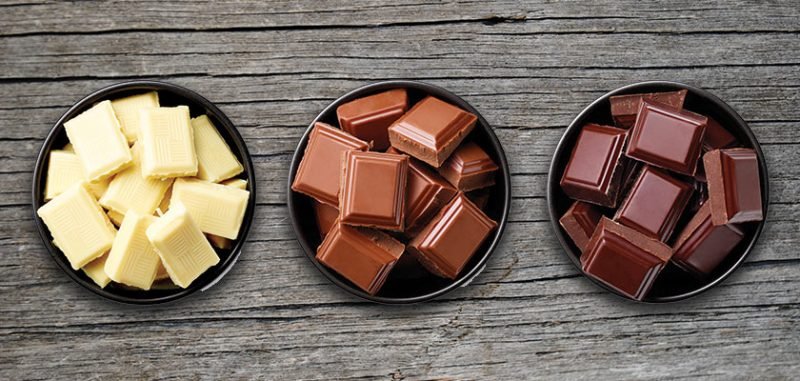
Imagine the aroma of a chocolate bar wafting up to your nostrils—earthy, intense, and a tantalizing hint of bitterness. The way it feels in your hand—a sleek bar of elegance, to be handled with the quiet reverence reserved for works of art. Most importantly, imagine the taste of that first piece melting in your mouth—slightly bitter yet comforting, an irresistible blend of smooth, velvety luxuriousness. For years, you’ve held milk chocolate as your comfort food, a sweet and dependable companion. But today, we dive headfirst down the rabbit hole to explore why you might want to switch your affections to dark chocolate. By the end of this post, you might look at that bar of dark chocolate as more than just an indulgent snack.
Topic Overview:
Dark chocolate is revered for its high cocoa content, which is often what dictates the percentage you see on the packaging; the higher the percentage, the higher the cocoa content. The flavor profile can be intense, studded with notes of bitterness and acidity but also full of depth. But it’s not just the robust taste that makes dark chocolate a winner. It carries a wealth of health benefits that far outshine those offered by your average bar of milk chocolate.
Historically, cacao beans, the base ingredient in chocolate, were valued for their medicinal benefits. The ancient Maya and Aztecs utilized them to treat ailments like fever, coughs, and fatigue. Fast forward a few centuries, and science corroborates these ancient practices, finding that dark chocolate, rich in cacao, has an impressive lineup of health benefits.
Practical Tips, How-Tos, and Actionable Advice:
To fully harness the benefits of dark chocolate, aim for a bar made from a minimum of 70% cocoa contents. Flip that packet around and pay attention to the ingredient list. The mantra “the shorter, the better” applies here; a small list of straightforward ingredients is a safe bet. Three key words you want to see: cocoa mass, cocoa butter, and sugar.
When storing chocolate, keep it in a cool and dry place, away from strong-smelling foods—chocolate tends to pick up odors. For the best flavor, don’t refrigerate your bar, as it could affect its texture and taste.
Why It’s Relevant to Chocolate Lovers:
Knowing about dark chocolate’s benefits can elevate your chocolate appreciation to a different level. Can you picture tasting a piece of chocolate differently, knowing its rich history, its journey from a simple cacao bean, and the value it adds to your health? It’s like watching a movie and knowing the backstory—suddenly, every scene carries more meaning.
Furthermore, it broadens our understanding of the chocolate industry as a whole, encouraging us to make more informed decisions about our purchases—for the love of chocolate and the love of our well-being.
Fun Facts and Educational Extras:
Intriguing fact #1: Did you know that a cacao tree takes about five years to produce its first beans? And that it takes about 400 of those beans to make just one pound of chocolate? Talk about a labor of love!
Intriguing fact #2: Chocolate was used as a valuable currency in the Mayan civilization.
For more on the world of chocolate, look for documentaries like “The Dark Side of Chocolate” and “Romancing the Bean.”
Conclusion:
Switching from milk to dark chocolate for its health benefits may sound like a small step, but as we note from its history, dark chocolate has been walking a long road to get to your taste buds. So next time you’re in need of a sweet treat, unravel a bar of dark chocolate, and remember, you’re not just indulging your cravings, you’re honoring an ancient tradition and looking out for your health. As you savor those first few bites, share your experience with us. Has dark chocolate found a new fan, or are you still loyal to your milk variety? The sweet debate continues in the comments below!