

Introduction: The Unwrapping of Chocolate’s Rich Tapestry in Mexico
Think about that moment when you break a piece of exquisite chocolate and bring it close to your mouth. The aroma gently wafts upwards, making your senses come to life as you anticipate the first bite. Your teeth sink in, releasing a profound burst of flavor that combines sweetness, bitterness, and a certain persistence, akin to tasting well-aged wine. This isn’t just chocolate—it’s a testament to human history, culture, and more specifically, the longstanding legacy of chocolate in Mexico.
That’s right. Our journey today isn’t about rating different chocolate brands or doling out advice on the perfect chocolate fondue recipe. Instead, we will embark on an adventure, exploring the rich and fascinating legacy of chocolate in Mexico, from its ancient cacao roots to its current beloved confectionery forms.
The Topic Overview: Chocolate, A Gift from Mexico to the World
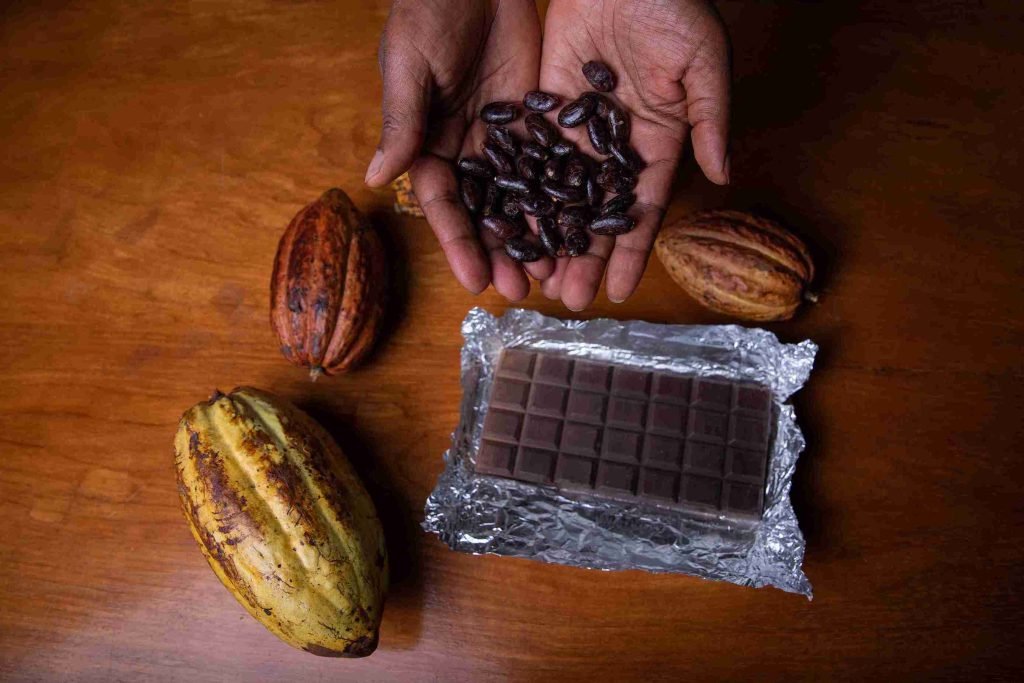
Cacao, the principal ingredient in chocolate, is native to the tropical rainforests of Mesoamerica, in what is now part of Mexico, Central, and South America. The ancient civilizations that ruled these areas—particularly the Mayans and Aztecs—recognised the value of cacao beans early on. They used it as currency, in religious rituals, and, of course, for making the earliest form of chocolate—’chocolatl,’ a frothy, bitter beverage.
However, it wasn’t until the Spanish invasion in the 1500s that cacao traveled to Europe, where it was sweetened with sugar and slowly evolved into the more recognisable forms of chocolate we enjoy today. In Mexico, chocolate remains an intrinsic part of the culture, used in culinary tradition, ceremonies, and everyday snacking.
Practical Tips and Mexican Choco-Adventures
Chocolate in Mexico goes far beyond a simple candy bar, allowing us to get creative in how we use and enjoy this versatile ingredient. For example, Mexican hot chocolate is renowned for its unique blend of chocolate, cinnamon, and sometimes, a kick of chili. It’s creamy, rich, and a perfect indulgence on a cold day.
On your next food-shopping trip, look out for Mexican chocolate disks, and try recreating this traditional drink at home. Remember, Mexican chocolate tends to be grainier, a characteristic that adds to the rustic charm of dishes made from it.
Ever tried ‘Mole Poblano’? It’s a world-famous Mexican sauce with chocolate as one of its key ingredients. Try pairing it with chicken for a gastronomic experience that balances sweet, spicy, tangy, and salty flavors impeccably.
Why This Resonates With Chocolate Lovers
Understanding the deep-rooted connection between chocolate and Mexican culture gives us a new appreciation for this universal treat. You’ll never enjoy a piece of chocolate mindlessly again. Each bite will remind you of the histories, cultures, and journeys it represents.
Can you differentiate between the flavors of a mass-produced chocolate bar and one that uses Mexican cacao beans sourced sustainably? Have you tried your hand at cooking traditional Mexican chocolate-based dishes?
Fun Facts and Nuggets of Chocolate Knowledge
It’s fascinating to learn that in ancient Mesoamerican cultures, cacao pods were deemed gifts from the gods. In fact, the scientific name of the cacao tree, Theobroma cacao, translates to “food of the gods.”
Another fascinating fact is that, contrary to popular assumption, white chocolate isn’t technically chocolate at all! Lacking cocoa solids, it’s made from cocoa butter, milk solids, and sugar.
Conclusion: The Sweet End of a Choco-Tale
The legacy of chocolate in Mexico is a tale replete with historical twists, cultural richness, and sensorial indulgences. Respect for this journey enhances our appreciation, making each bite taste a little extra special.
So next time you enjoy some chocolate, remember the saga it represents. Savor its complexity, appreciate its heritage, and explore different ways to experience it—whether it’s recreating a traditional Mexican hot chocolate at home or trying a dish like Mole Poblano. Share your chocolate adventures with us in the comments below.
Remember, chocolate is not just a treat—it’s an experience, a tradition, and a bridge connecting us with ancient civilizations and cultures. Now, isn’t that a thought to savor along with your next piece of delectable chocolate?