

Introduction
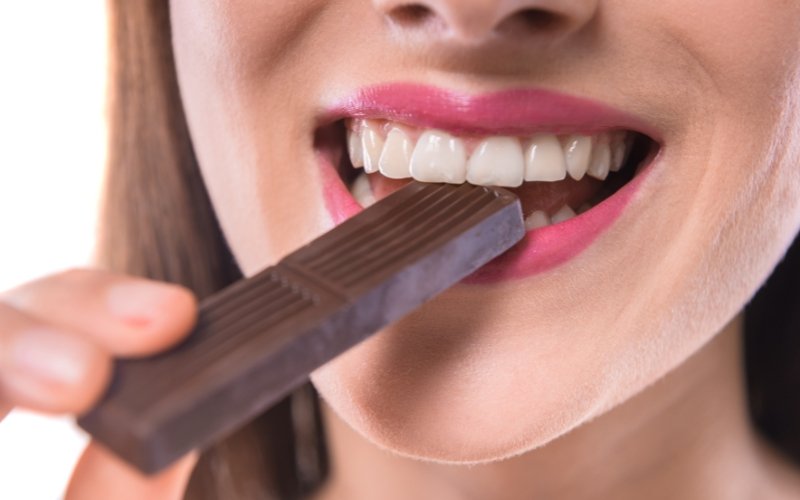
Close your eyes and imagine holding a piece of chocolate in your hands. Can you feel its velvety smooth texture? Picture taking a bite and let your taste buds relish the blend of sweetness and bitterness with a hint of notes of vanilla or maybe hazelnuts. Ah, pure bliss! No wonder we humans love this delectable delight. However, when you indulge your sweet tooth, you might not be considering the impact those sweet seconds can have on your oral health. If you’ve ever felt guilty about your chocolate pleasures and wondered, “Is chocolate good for my teeth?” this post is for you! Buckle up as we delve into the untold secrets and effects of chocolate on our teeth.
Topic Overview: Is chocolate good for your teeth?
Turning to science, we discover that all is not lost when it comes to chocolate and our dental health. Various research studies have indicated that, contrary to what we’ve always believed, chocolate may not be as harmful to our teeth as other sugar-laden foods.
On the health spectrum, the clear winner is dark chocolate, which contains theobromine, a compound that has been shown to harden tooth enamel—the body’s natural barrier against cavities. Theobromine provides this protective effect, making teeth less susceptible to decay.
However, not all chocolate is created equal. White and milk chocolate, for instance, have more sugar content compared to dark chocolate, which can increase the risk of cavities. So, it seems balance is the key when enjoying our beloved treat.
Practical Tips, How-Tos, and Actionable Advice
So, what practical actions can you take to enjoy your delicious chocolate without sabotaging your dental health?
Actionable Steps: Not all chocolates are equal – opt for dark chocolate. It has less sugar and actually contains compounds that could benefit your teeth. Typically, the more cocoa content (preferably above 70%) in the chocolate, the greater the potential benefits.
Bonus Tips: Implement a dental hygiene routine. Brushing and flossing properly after meals can remove any lingering chocolate particles that might cause damage. Remember, it’s not only the chocolate that might cause cavities but the mixing of sugar with bacteria in your mouth.
Why It’s Relevant to Chocolate Lovers
Chocolate is more than just a treat—it’s a global love affair. But who knew that our guilty pleasure could have some potential oral health benefits? Of course, this doesn’t mean we now have free rein to devour heaps of chocolate—moderation still reigns supreme. Also, let’s not forget that the quality of chocolate matters. Understanding the connection between the chocolate you love and its effects on your teeth empowers you to make informed choices and enhance your enjoyment of this favorite sweet treat.
Fun Facts and Educational Extras
Did you know that the Mayans considered chocolate as ‘food of the gods’? Or that there’s a correlation between the number of Nobel Laureates that a country has and the country’s chocolate consumption per capita? There’s so much more to explore in the world of chocolate. If you’re interested in delving deeper, why not immerse yourself in some mouth-watering documentaries like ‘The Dark Side of Chocolate’ or ‘Cocoa Nomad’?
Conclusion
So, in wrapping up our sweet journey, we’ve seen that chocolate—specifically dark chocolate—may not be the tooth-destroying villain we once believed it to be. However, the golden rule of moderation and a good oral hygiene routine still apply. The next time you reach for a piece of chocolate, you’ll not only savor its flavor but also appreciate it for being more tooth-friendly than you’d thought. So, go ahead, indulge responsibly and remember to brush those pearly whites!
And of course, let’s hear from you. How does knowing that chocolate – with moderation and good oral hygiene – won’t necessarily ruin your teeth impact your perception of this delicious treat? Let’s chew over it in the comments!
Remember, loving chocolate isn’t a guilty pleasure—it’s a lifestyle.