
Introduction
Imagine slowly unwrapping a piece of luscious dark chocolate. You pause for a moment to take in the intense, intoxicating aroma before gently snapping off a square. The sound of the snap fills the room. As you let it melt on your tongue, the rich, velvety texture and the robust, nuanced flavors elicited by the chocolate meld together in an exquisite symphony of taste. It’s a luxuriously indulgent experience, but have you ever wondered about the journey that piece of chocolate undertook before it reached your hand?
From the lush, tropical cacao farms that birthed the beans to the meticulous processing undertaken in several stages, chocolate is a product of careful craft. And nestled within this craft is an phenomenon often overlooked – the impact of Fair-Trade Certification. This seal, found on some of your favorite chocolate brands, might seem insignificant but it has powerful implications for the quality of chocolate you’re indulging in, and the impact your custom can make on a wider, global level.
So sit back, snap another piece of that decadent chocolate, let your taste buds awaken, and let us take you on a journey into the fascinating world of Fair-Trade Chocolate.
Topic Overview
Fair-trade certification is a product labeling system that assures consumers that the goods they purchase have been produced in an ethical and sustainable manner. But what exactly does this mean when it comes to your chocolaty treat?
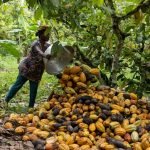
First off, it starts with the cocoa farmers. The majority of cocoa production takes place in West Africa, on smallholder farms. Historically, these farmers have been subjected to unfair pay, sometimes even classified as modern-day slavery – a dark side to the otherwise delightful world of chocolate. Investment in fair trade certification ensures that these farmers get a fair wage for their hard and labor-intensive work.
In addition to this, fair-trade certification also imposes standards of sustainability and environmentally-friendly practices for the participating entities. For instance, the use of harmful pesticides and fertilizers is regulated, helping to reduce the environmental footprint of your chocolate.
This is just scratching the surface of what goes into a fair-trade certified product. Ultimately, fair-trade certification is a conscious effort to make the world of chocolate (and more) a better space for all those involved in the journey from tree to treat.
Practical Tips, How-Tos, and Actionable Advice
Thinking about switching to fair-trade chocolate? That’s a commendable decision that can make a real difference. Here are a few practical tips to help you make the switch:
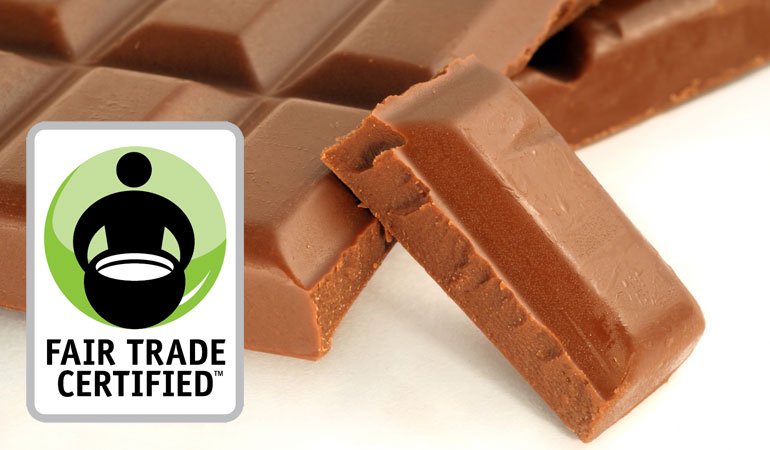
Look for the Logo: Always look for the fair-trade mark on your chocolate. This globally recognized logo assures you that the chocolate has been sourced and produced ethically.
Understand the Taste: Fair-trade certified cocoa often tastes slightly different due to the organic farming practices. Expect a stronger, distinctive taste with unique flavors drawn from natural farming methods.
Put Your Money Where Your Mouth Is: Fair-trade chocolates are often priced marginally higher due to fair wages and sustainable practises. Realize that each purchase is an investment in a better world.
Why It’s Relevant to Chocolate Lovers
The impact of choosing fair-trade goes beyond personal satisfaction and great taste. It affects real lives, communities far away, and ultimately the planet we all share. When you opt for fair-trade chocolate, you’re advocating for human rights, fair wages, sustainable agriculture, and community development. Each bite is a step towards a better, fairer world.
Fun Facts and Educational Extras
Are you intrigued yet? Here are some more fun factoids:
Ten pounds of cocoa beans are required to make just one pound of finished chocolate. And it takes about 400 cocoa beans to make one pound of chocolate.
Did you know the fair-trade movement gained momentum in the 1980s when Mexican coffee farmers formed cooperatives to bypass middlemen and sell directly to consumers?
We encourage you to explore more about fair-trade and its implications!
Conclusion
Through this dive into the world of fair-trade chocolate, we’ve explored an integral aspect of the overall chocolate experience that is often overlooked. The choice we make when buying chocolates can make significant changes if we opt for fair-trade varieties. So, the next time you indulge in your favorite treat, check for the fair-trade logo – and savor not just the rich, velvety flavor but also the sweet taste of fairness and ethical sourcing. Enjoy your chocolate responsibly!
And don’t forget to share your experiences with fair-trade chocolates in the comments below or on social media. Happy eating!
SEO Considerations
Primary Keywords: Fair-Trade Chocolate
Related Keywords: Sustainable Chocolate, Dark Chocolate, Milk Chocolate, Chocolate Brands
Internal Links: Guide to the Best Chocolate Pairings
External Links: Health Benefits of Dark Chocolate
Tone & Style
The tone of this post is friendly and enthusiastic, giving the reader an informative yet exciting journey into the world of fair-trade chocolate. The language used is descriptive, creating an immersive chocolate experience while also delivering clear and important information about fair-trade practices and principles – an essential part of the chocolate journey.