

1. Introduction
Close your eyes and imagine the lusciousness of silky, smooth chocolate as it melts in your mouth, releasing its intense flavors of bitterness, sweetness, and a hint of vanilla. Can you perceive its irresistible aroma wafting up, a complex combination of cocoa and subtly fruity overtones? Chocolate, in many ways, is like a key that opens the doors to fond memories and intense gustatory experiences. Today, I invite you to embark on a tantalizing journey with me as we explore the fascinating history of chocolate, especially its use and importance in ancient civilizations. By the end of this post, you’ll understand why this delectable treat has been celebrated not just as food, but as money, medicine, and an offering to gods.
2. Topic Overview
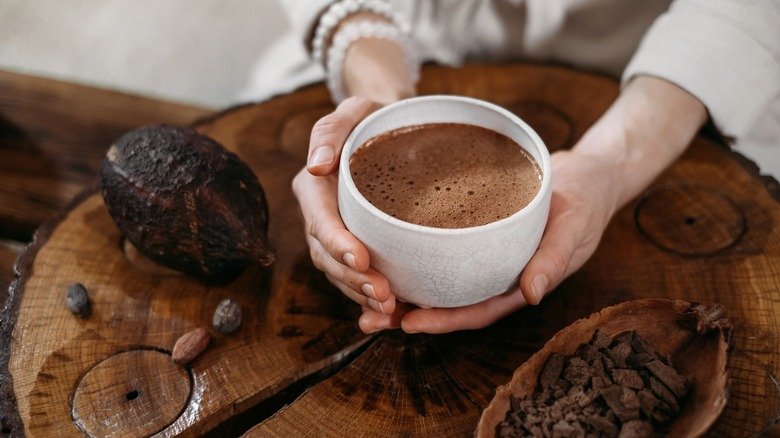
Chocolate’s story begins with Theobroma cacao, the tree whose seeds form the base of all chocolate. The word “Theobroma” translates to “food of the gods,” reflecting the reverence ancient peoples had for cacao. Harvesting cacao pods and extracting the prized cacao beans were just the first steps in a detailed and delicately balanced process that transformed the beans into the chocolate we know today.
Interestingly, the first chocolate wasn’t a sweet bar but a frothy, bitter drink brewed by the Mesoamericans. The Mayan civilization, dating back to 2000 BC, was among the earliest to cultivate cacao trees. They believed cacao had divine origins and used chocolate in sacred religious ceremonies and as a form of currency. By the time of the Aztecs, cacao beans were so highly valued that they were used as money to trade for commodities.
3. Practical Tips, Advice, and How-Tos
Although we often reach out for a quick chocolate fix, appreciating chocolate takes some practice. Here’s how you can elevate your chocolate experience:
– Buy Quality: Prioritize quality over cost when buying chocolate. Check the ingredients: high-quality chocolate has cocoa (or cacao) listed as the first ingredient, not sugar.
– Pair It: There is a vast array of beverages to pair with chocolate. Aged tawny port, for instance, pairs exceptionally well with dark chocolate.
– Taste It Right: Apply the 5 S’s of tasting – Sight, Smell, Snap (the sound when you break a piece of chocolate), Savor, and Savor again. Take time to appreciate each step, much like you would do with a fine wine.
4. Relevance to Chocolate Lovers
Understanding the history and origins of chocolate gives us a renewed appreciation for this humble yet complex treat. Researching and purchasing ethically sourced chocolate can contribute positively to the chocolate industry and environment, fostering a more sustainable future for our beloved treat. Does it not give you immense satisfaction when you bite into your favorite chocolate, knowing you are part of a tradition that dates back thousands of years?
5. Fun Facts and Educational Extras
Did you know? The Aztecs believed that the cacao beans were the gift of Quetzalcoatl, the god of wisdom. In fact, Emperor Montezuma was known to consume large quantities of the cacao drink daily to increase his wisdom. Fascinated by the history of chocolate? I highly recommend “The True History of Chocolate” by Sophie D. Coe and Michael D. Coe.
6. Conclusion
From the ancient Mesoamericans to the modern chocolate connoisseur, chocolate has woven its story into the history of human civilization. Whether it’s savoring a decadent dessert or trying your hand at a new chocolate recipe, remember that every bite takes you back to times when chocolate was currency, medicine, and divine offering. So, what are your thoughts on the journey of chocolate through ages? Do share your thoughts and experiences with us. And always remember: life is much like chocolate – bittersweet and utterly unforgettable.