
The Aroma of Chocolate: From Bean to Bar
Imagine wrapping your senses around a silky dark chocolate, its velvety smoothness gently melting on your tongue, carrying a rich, bold flavor with hints of earthy nuts, fruity tang, or maybe a dash of sea salt. Now imagine the journey this luscious treat has undertaken from a humble cocoa bean to the indulgent bar you’ve just savored. Wouldn’t you love to uncover the secret process behind this transformation? The art of creating chocolate: from the stage when it’s nothing more than a seed, to when it becomes a luxurious bar we so passionately devour. Intrigued? Let’s embark on this delicious journey.
From Bean to Bar: The Art of Chocolate Making
The magical process of turning a cocoa bean into a bar of chocolate involves six distinct steps. Each plays an integral role in creating the aroma, texture, and flavor of the chocolate.
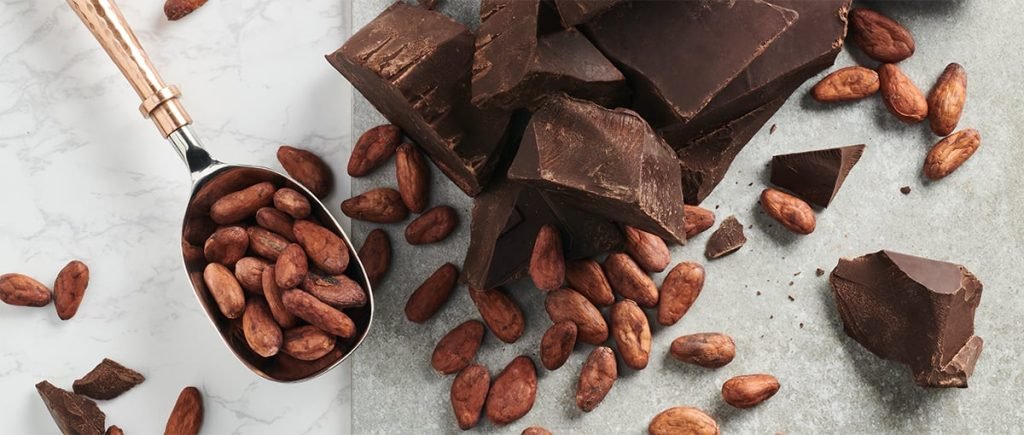
1. Harvesting: It all begins with harvesting cacao pods from theobroma cacao trees. These pods are then cracked open to reveal the raw, white seeds – the cocoa beans!
2. Fermentation: The seeds are fermented, a crucial process that initiates the flavor development. The beans are left in the open air to ferment for up to a week, during which the sugars in the pulp surrounding the seeds turn into alcohol.
3. Drying and Roasting: After fermentation, the beans are dried, then roasted at precise temperatures. This step is where the real magic happens as the roasting brings out that characteristic chocolatey aroma and flavor.
4. Grinding and Conching: The beans are then ground into a liquid known as chocolate liquor. This liquor is further refined in a process called conching.
5. Tempering: The chocolate is carefully cooled and reheated until it reaches the ideal temperature – this is known as ‘tempering.’ It results in a glossy finish and that distinctive ‘snap’ when you break a bar of chocolate.
6. Molding: Finally, the liquid chocolate is poured into molds and left to harden before being wrapped up and sent off to stores.
Piece of Advice: The Gourmet Guide for Chocolate Lovers
Now that you know how the chocolate is made, let’s talk about how to choose the best chocolate and the optimal way to store it. Here are a few tidbits for you:
1. Always look for the percent of cocoa content. Dark chocolate lovers should aim for 70% or higher—it delivers a deeper, richer chocolate flavor.
2. Chocolate is best stored between 15 to 20 Degrees Celsius in a cool, dark and dry place to maintain its flavor and texture.
3. Pair a robust dark chocolate with a bold red wine like Cabernet Sauvignon to bring out the delicate flavor notes in both.
Why It Matters: The Bittersweet Symphony of Chocolate
Understanding how chocolate is made and learning how to properly store and enjoy it enhances your palette and deepens your appreciation for it. Furthermore, with an acute awareness of chocolates’ journey from bean to bar, it becomes evident that choosing ethically-sourced chocolate can support sustainable farming and positively impact the environment.
A Hearty serving of Chocolate Trivia
Let off some steam with these delightful chocolate trivia. Did you know Aztecs used cocoa beans as currency, or that it takes about 400 cocoa beans to make one pound of chocolate?
Conclusion: The Delightful Aftertaste
Experiencing chocolate goes beyond gratifying our sweet tooth—it’s about appreciating the process that lends this gourmet product its aroma, texture, and flavor. It isn’t just about consumption, it’s about connection. Next time you indulge in your favorite bar, try to decipher the flavors, the richness, and the hard work that goes behind transforming a humble bean into your favorite sweet treat. Share your chocolate adventures with us in the comments below! Remember, life happens, but chocolate helps.
Happy chocolate tasting!