

Introduction
Close your eyes and imagine the smell of chocolate. Sweet, comforting, and tantalizingly rich, it’s an aroma signaling something delicious to come. The taste is even better. Smooth, creamy, with a lusurious flavor that fills your senses—a flavor that’s diverse yet singular, humble yet extravagant. Have you ever wondered why some chocolates taste more refined than others, or why certain bars carry a depth of flavor that you just can’t pinpoint? The secret lies in the heart and soul of every chocolate product: the cacao bean. Today, we explore one of the most famed cocoa-growing regions on the globe, the bountiful continent of Africa, where the irresistible magic of chocolate begins.
The Topic Overview
Africa, a land of diverse landscapes and culture, is home to four of the world’s top five cocoa-producing countries – Ivory Coast, Ghana, Nigeria and Cameroon. This is where your chocolate journey starts, in the lush, tropical forests, where cacao trees flourish under the shade of taller trees.
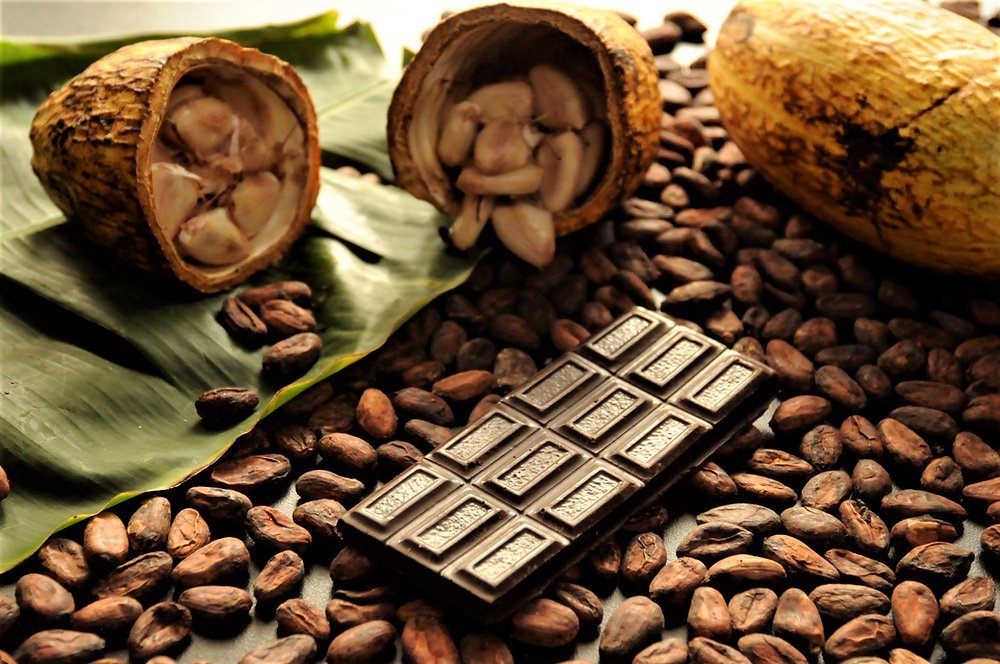
Cacao trees yield football-shaped pods, and it’s inside these pods where the cacao beans, enveloped by sweet white pulp, are found. The harvested beans undergo fermentation, a crucial step during which the beans develop their complex flavors through a series of chemical reactions. Post fermentation, the beans are dried, roasted, and ground into a cocoa mass known as chocolate liquor. The final steps of refining and conching give the chocolate its desirable smooth, velvety texture.
Throughout history, the importance of cocoa has transcended socioeconomic borders and time. Once used as currency among the Aztecs, it transitioned from a luxury product enjoyed by only the elite in Europe to a universally beloved treat. Today, chocolate is an everyday indulgence and an artisan masterpiece, celebrated for both its comfort and complexity.
Practical Tips, How-Tos, and Actionable Advice
When it comes to buying chocolate, quality matters. Check the ingredients; a chocolate bar made from quality beans will usually have fewer and purer ingredients – cocoa beans, sugar, possibly cocoa butter, and sometimes lecithin and vanilla.
Pairing chocolates with the right drink can also elevate your chocolate experience. Rich and bittersweet dark chocolates go well with bold red wines like Cabernet Sauvignon, while sweeter, creamy milk chocolates melt perfectly on the tongue with a sip of Riesling or other fruity wines.
For those embarking on a chocolate-baking adventure, aim for chocolates with a 70% cocoa content or higher. This will result in baked goods with a deeper, richer chocolate flavor. And remember, always store chocolate properly— in a cool, dry place, away from light and strong odors—to maintain its full flavor and quality.
Why It’s Relevant to Chocolate Lovers
Identifying quality cacao beans and understanding their origins connects us more deeply with the chocolate we love. Preferences are very personal; some may prefer the bold, rustic notes typical of African beans while others might lean towards the subtle, fruity complexity of South American beans. Thus, understanding the provenance of the cacao in your chocolate can guide you towards the chocolates you are likely to enjoy most.
Moreover, choosing chocolates that value sustainability and ethical sourcing contributes positively to cacao farmers and our environment. It’s always worth spending slightly more to help better the lives of the hardworking farmers who provide us this “food of the gods”.
Fun Facts and Educational Extras
Did you know it takes about 400 cacao beans to make just one pound of chocolate? Or that chocolate was once used as currency by the ancient Mayans? Does your passion for chocolate extend to cooking or even pairing it with your favorite wine? There are fascinating books, documentaries, online resources, not to mention countless chocolate-dedicated blogs that explore these topics in much more depth, and are certainly worth exploring for any chocolate enthusiast.
Thanks to the internet, we also have access to numerous chocolate brands that deliver right to our doorstep. Try a brand you’ve never tried before. Challenge your palate and share your experience in the comments!
Conclusion
And there you have it, an exploration into the origins of chocolate, guided by the cacao trees of Africa. The next time you savor a piece of your favorite chocolate, remember the journey it’s been on, right from the small cacao farm in Africa to the comfort of your home. Better yet, try and detect those unique flavor notes that African cacao is so famous for – strong, rustic yet pleasingly sweet. And of course, share your chocolate adventures with us! As pleasurable as eating chocolate can be, sharing the experience adds another layer of delight.
Remember – “Life is like a box of chocolates. You never know what you’re gonna get.” But when you choose wisely, you can certainly guide your taste buds on an incredible African adventure!