

Introduction
Imagine the rich, enchanting aroma of a freshly unwrapped chocolate bar. The smooth, velvety texture in your hands just before you take the first bite. The way it slowly melts on your tongue, unveiling its deep, complex flavors. For many of us, there’s nothing that can quite compare to the absolute delight of indulging in a piece of quality chocolate. But have you ever wondered where this heavenly treat came from or how it came to be?
Whether you’re an enthusiast keen to learn more about your favorite treat, or a budding home chocolatier embarking on your own sweet journey, you’ve come to the right place. In this blog post, we’re delving deep into the fascinating history of chocolate—from its beginnings as an ancient currency to the luxurious, diverse sweet treat we all adore today. Hold onto your taste buds, folks. We’re about to embark on a decadent journey through time.
The Topic Overview
Our chocolate journey begins thousands of years ago with the ancient civilizations of Mesoamerica. The Aztecs and the Mayans were the first known to cultivate Theobroma cacao, the tree responsible for the luscious cocoa beans that make up our chocolate. But chocolate back then was vastly different from what we know today—it was a bitter, frothy drink believed to possess magical properties and was often used in religious rituals and as a form of currency.
However, with the arrival of the Spanish conquistadors, chocolate took a dramatic turn. In the 16th century, Spanish explorer Hernán Cortés brought cocoa beans back to Europe, where sugar, vanilla, and other spices were added to create a sweeter, more palatable version. This marked a new chapter in the evolution of chocolate, turning it from an exotic, noble drink into a luxury sweet treat for the European elite.
Fast forward to the Industrial Revolution in the 19th century, and we see the masses finally indulging in chocolate, thanks to the advancements in processing techniques and machinery. The invention of the cocoa press by Conrad Van Houten, solid milk chocolate by Daniel Peter, and the first chocolate bar by Fry & Sons paved the way for the commercialization of our beloved treat.
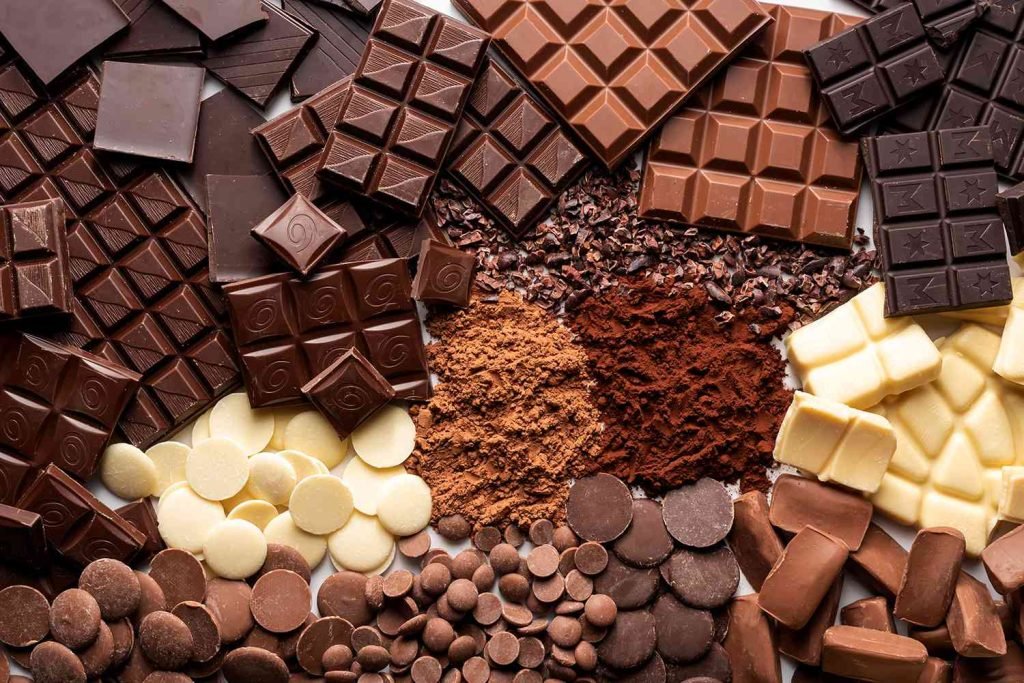
From then on, chocolate’s popularity soared. Today, we enjoy a staggering array of chocolate products—from cocoa-dusted truffles, rich dark chocolate bars, milky chocolate drinks, to scrumptious chocolate-coated confections—a lot can be credited to the innovative spirit of our chocolate vestiges.
Practical Tips, How-Tos, and Actionable Advice
As we journey through chocolate’s rich history, why not equip yourself with some essential chocolate tips?
Step 1. Choosing your chocolate: The type of chocolate you choose can significantly impact the taste. Look for high-quality chocolates with a high percentage of cocoa—70% or more for dark, and a minimum of 35% for milk chocolate. Always read labels to ensure there’s no unnecessary additives or excess sugar.
Step 2. Pairing chocolate: Dark chocolate and red wine are a classic pairing—try combining a 70% dark chocolate with a robust Cabernet Sauvignon. For milk chocolates, sweeter and fruitier wines like a Merlot or a Malbec make a great companion.
Bonus tip: Store your chocolate well. Avoid damp, warm conditions that could cause bloom—the white spots that form when cocoa butter or sugar crystals come to the surface. While bloomed chocolate is still edible, it does lose its visual appeal.
Why It’s Relevant for Chocolate Lovers
Understanding the evolution of chocolate not only adds depth to your appreciation of this treat, but also allows you to make better, more informed choices. It urges you to appreciate the craftsmanship that goes into making chocolate and respect the rich lineage from which it hails. It’s the legacy that swirls on your palate each time you take a bite of your favorite chocolate bar.
Fun Facts and Education Extras
Did you know that cacao trees take about five years to produce its first beans, and once they do, it would still need about 400 of them to make just one pound of chocolate? As for the surprising historical tidbits, would you believe that the ancient Mayans and Aztecs used cocoa beans as currency?
Looking to learn more? Tune into documentaries like “The Chocolate Farmer” or “The Dark Side of Chocolate” for an insightful view into the world of cocoa farming and chocolate production.
We’d love to know: What’s your favorite type of chocolate—dark, milk, or white? Share with us in the comments!
Conclusion
We hope this indulgent journey into chocolate’s rich history and evolution has entertained and enlightened you. Next time you unwrap a chocolate bar or sip on a hot cocoa, take a moment to appreciate the centuries-old tradition, hard work, and innovation that it embodies. Why not employ the tips learned here for your next chocolate adventure? Don’t forget, we’d love to hear about your chocolate experiences and memories in the comments!
So, go ahead, reach for that bar of chocolate, take a bite, and savor not just the flavors but also the delightful history that each morsel holds. Happy chocolate tasting!