
1. Introduction
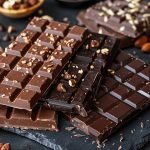
Imagine biting into a piece of silky, rich, and luscious chocolate. It’s an irresistible experience that engages all senses at once – sight, touch, smell, and of course, taste. The tantalizing aroma, the visually appealing gloss, the velvety texture, and the exquisite taste create a chorus of impressions that is hard to resist. In this post, we’ll take you on a chocolatey adventure, exploring the best types of chocolate to use for dipping and decorating. So, get ready, chocolate lovers! This journey is going to be delicious!
2. The Topic Overview
Chocolate, a product derived from cocoa beans, is coveted worldwide for its distinct flavor. Making perfect chocolate for dipping and decorating involves multiple steps—from carefully chosen cocoa beans to precise processing and tempering. But why is this important? Because the type of chocolate you use influences the taste, texture, and appeal of your finished treat.
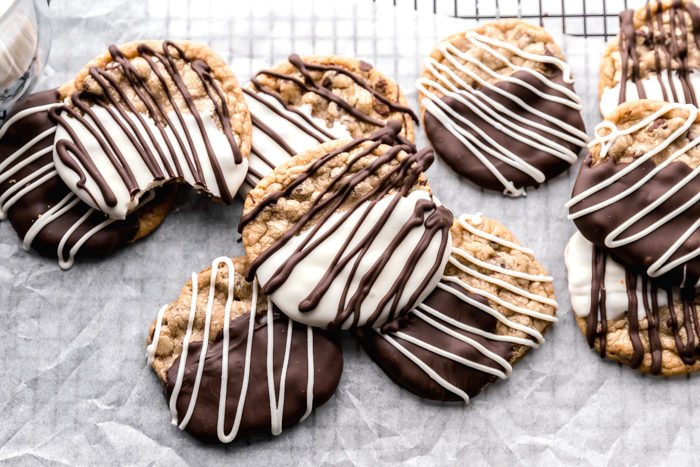
Dark chocolate, known for its robust and slightly bitter flavor, often proves to be the top choice for dipping fruits like strawberries or glazing cakes. Milk chocolate, sweeter and creamier, is beloved by those who prefer a less intense flavor. And white chocolate, albeit a contentious type among purists due to the absence of cocoa solids, is great for contrast in decorating due to its pale color.
3. Practical Tips, How-Tos, and Actionable Advice
Perfect dipping and decorating are all about meltability and snap. When selecting chocolates, opt for more than 70% of cocoa content—this gives not only a robust flavor but also assures a smooth finish upon hardening. Don’t forget to temper your chocolate, which involves heating and cooling to precise temperatures. This process gives the chocolate an attractive gloss and a satisfying snap when bitten into.
For those keen on baking, bars are always a better option than chips since the latter contains additives that resist melting. Use chopped chocolate bars for a smooth, shiny finish.
4. Why It’s Relevant to Chocolate Lovers
For every chocolate lover, understanding the difference in flavors, aesthetics, and applications that different types of chocolate offer, can take their culinary journey to new heights. Not only does it allow them to experiment and innovate with different recipes, but it also amplifies the pleasure they derive from consuming chocolate.
Understanding the journey, from bean to bar, increases our appreciation for the craft and the attention to detail that goes into creating this beloved treat. It also provides a deeper insight into why we love this delicious indulgence so much!
5. Fun Facts and Educational Extras
Did you know that the world consumes around 7.3 million metric tons of chocolate each year? Or that white chocolate isn’t technically chocolate because it contains no cocoa solids? These are just some fun facts to whip out at your next social gathering!
For those wanting to further enhance their knowledge, check out ‘The True History of Chocolate’ by Sophie and Michael Coe or the documentary ‘Romantics and Realists: Chocolate,’ available on YouTube.
6. Conclusion
So, as you curl up on the couch with your favorite piece of chocolate, remember the journey it took from a humble cacao bean to the smooth, luscious treat in your hand. Whether you’re baking, dipping, or just indulging, the world of chocolate is as rich and diverse as its flavors. It’s time to deepen your connection with chocolate and embark on a journey to discover the many facets of this ever-popular treat.
7. SEO Considerations
Incorporating SEO considerations in your blog post can help boost its visibility online. Make sure to optimize your content for relevant keywords such as ‘best chocolate for dipping’, ‘best chocolate for decorating’, ‘how to temper chocolate’, ‘chocolate flavors’, and ‘chocolate history’. Links to similar blog posts or authoritative sources like studies and research papers can also increase the credibility and informative value of your post.
8. Tone & Style
Throughout the post, maintain a friendly and enthusiastic tone. Remember that despite the informative nature of your content, you’re communicating with chocolatiers-in-making and chocolate lovers who are passionate about learning more. Describe the wonders of chocolate vividly and make the reading experience as enjoyable as tasting a bar of exquisite, high-quality chocolate.