
Imagine the aroma of rich, dark chocolate wafting through the air, filling the corners of your mind with temptation. Now picture the velvety warmth of the sweet confection as it melts on your tongue, releasing a symphony of flavors from tangy notes to subtle hints of berry, vanilla, and caramel. The experience of savoring chocolate is more than just a delight, it’s a rendezvous with an ancient tradition and a beloved global pastime. Today, this delicacy is more than a mouthwatering treat—it’s a universal love language—the star player in festivals, holidays, and everyday moments the world over.
Have you ever wondered why chocolate, particularly gifting chocolates, is most popular during the holiday season? Why this unassuming little bean wields the power to speak volumes, more than any hallmark card or grand gestures ever could? Join us as we unwrap the delicious secrets of chocolate, its storied past, its role in festive celebrations, and supply you with expert tips on gifting and indulging in the best chocolates come holiday time. This chocolate-laden adventure is guaranteed to make your next holiday season the sweetest one yet.
The Essentials
Chocolate, much like love, speaks a global language. Its journey from a humble cacao pod to the delightful treat we relish is a testament to human creativity and our unwavering love for indulgence. This process, painstaking in its detail, begins with the harvest of cacao pods, followed by a careful fermentation process that coaxes out intricate flavors. The beans then undergo a roasting process to further enhance their character before being ground into a paste. This paste, known as chocolate liquor, is then conched—a process of rigorous stirring—to smooth out the grainy texture. Lastly, the chocolate is tempered, involving careful temperature control, to give it the perfect gloss and snap.
Historically, chocolate was a luxury available only to the elites. The Mayans and Aztecs used it as currency and in sacred rituals. Over time, as trade routes expanded, chocolate found its way into European royal courts and, gradually, into the hearts and homes of people worldwide. Today, it has an irreplaceable role in our cultural celebrations, particularly the holidays.
Practical Tips
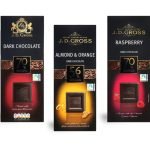
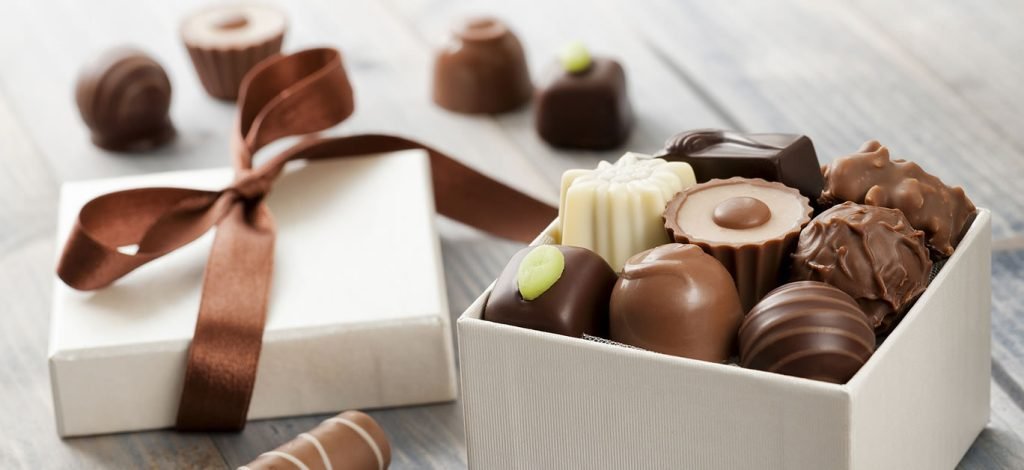
When it comes to holiday gifting, a box of artisan chocolates never fails. Here’s a pro tip: Look for chocolate with a high cocoa content (around 70%). This indicates a higher quality chocolate, dense in complex flavors. However, it’s not an absolute rule—there’s plenty of fantastic milk chocolate and even white chocolate out there.
For baking holiday treats, again, we recommend a higher cocoa chocolate. This ensures a more in-depth, more satisfying flavor to your cookies, cakes, and desserts. When stored correctly, in a cool, dry place, chocolate can last for months without losing its quality, making it the perfect gift to buy ahead of the holiday season’s rush.
And for those who enjoy pairing their chocolates with wine, a general rule is to pair the complexity of the chocolate with the wine—a rich dark chocolate with a bold, robust red like a Cabernet Sauvignon makes a divine combination.
Why It Matters
All the hullabaloo about chocolate is far from just marketing gimmickry. For true chocolate lovers, delving into the world’s most beloved sweet treat is more than just about having something tasty—it’s about experiencing and appreciating a product of art, history, and connoisseurship. Understanding the journey of how a small, bitter fruit transforms into artisan chocolate bars enriches the way we taste, savor, and store our chocolates.
By learning how to choose the best chocolates, pair them expertly with wines, and use them in our holiday recipes, we empower our personal adventures in the dynamic and delectable world of chocolate.
Fun Facts
Surprisingly, it takes about 400 cacao beans to produce just a pound of chocolate. Also, the cacao tree isn’t a fast grower—it takes almost five years to produce its first batch of fruits. In Mayan culture, chocolate was considered a divine gift and was even used as a form of currency!
For those hungry for more chocolate knowledge, books like “The True History of Chocolate” by Sophie D. Coe and Michael D. Coe offer precious insight into the fascinating world of chocolate.
Final Thoughts
From its ancient origins to its enduring reign as the world’s most beloved treat, chocolate is undoubtedly the ruler of the culinary kingdom. As holiday celebrations draw near, armed with your newfound knowledge, we hope you’ll embark on a chocolate adventure of your own—from selecting sustainably produced quality chocolates, to pairing them with the perfect wine, and maybe even, trying your hand at some delicious chocolate-based recipes. It’s time to rekindle the love affair with chocolate and savor every mouthful, celebrating the bliss that’s hidden in each bite. So go ahead, treat yourself and your loved ones to the magic of chocolate and don’t forget to share your experience with us! Remember—life’s too short for bad chocolate.
Find them on Amazon
As an Amazon Associate, Chocolate Critic earns from qualifying purchases.