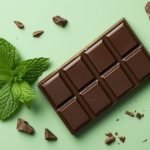


A Feast for the Senses
The scent of chocolate, rich and intoxicating, wafts through the air. It’s hard to resist that unique mix of earthy, spicy, fruity, and nutty aromas, all wrapped up in the smooth texture that melts so decadently on the tip of your tongue. Next comes the taste—a symphony of bitter, sweet, and slightly acidic notes, creating a harmony that dances rhythmically on your palate. This is the joy of chocolate, a universal pleasure shared across centuries and cultures. But have you ever wondered why not all chocolates taste the same, or why the texture, aroma, and flavor profiles vary so much from one region to another? Let’s unravel the mystery and plunge into the global world of chocolate.
A World of Chocolate
Chocolate, adored universally but unique to each culture, has a long and colorful history. Originating from Mesoamerica, where the Mayans and Aztecs used cacao beans both as currency and in beverages, chocolate has evolved significantly over time. The Europeans added sugar to counter the bitter taste, and the Swiss introduced milk, creating the creamy delight we enjoy today.
Let’s take a journey around the world. In Belgium, chocolate is considered an art form. Belgian chocolate, renowned for its refined quality, owes its smooth texture to a unique process called conching. While in Switzerland, an emphasis on milk chocolate brings forth creamy and velvety chocolate delights. France boasts its dark chocolate, rich and robust, with cacao percentage often above 70%—a real testament to the country’s passion for intense flavors and quality ingredients.
Venture east to Asia, and you’ll find a different story. Japan’s unique flavor-filled creations range from Matcha Green Tea chocolate to the infamously adventurous Wasabi chocolate. Over in India, spices like cardamom and chai often find their way into local chocolate treats.
Practical Tips
Emulating these global flavors at home can breathe new life into your recipes or your next chocolate tasting. Interested in making a French-style dark chocolate mousse? Remember to select a high-quality 70% dark chocolate, as the French do. Want to attempt a Japanese-inspired chocolate? Experiment by incorporating Matcha powder into your recipe for a distinct, surprising flavor profile.
If you’re sampling and not creating, remember this golden rule when tasting different types of chocolate: take your time. Let it melt slowly on your tongue—feel its texture, identify its varied flavors, notice its finish. This, paired with noting the country of origin, will provide you with a greater understanding and deeper appreciation of the diverse world of chocolate.
Why It Matters
Whether you’re a casual sweet tooth or a chocolate connoisseur, understanding how chocolate differs across cultures can greatly enhance your tasting experience and broaden your palate. It enables us to appreciate the uniqueness that each culture brings to the table—literally—and deepens our interaction with the very history and creation of chocolate itself.
Fun Facts
Ever wondered why dark chocolate from Ecuador tastes quite different from that of Madagascar, despite both being classified as ‘dark’? That’s all down to the terroir—the soil, climate, and environment in which the cacao trees are grown—a concept borrowed from wine connoisseurs and equally applicable to the diverse world of chocolate.
savor the journey
As we wrap up our chocolate journey, remember that savoring chocolate is all about celebrating diversity—in flavors, in process, in origins. So, next time you bite into a piece of chocolate, be it a Swiss chocolate bar, a French truffle, or a Japanese Kit Kat, you’re not only pleasing your taste buds, but you’re also taking a trip around the world and back in time. Indulge in this knowledge, savor the difference, and continue your delicious exploration of this beloved global treat.
Tone & Style:
Just as chocolate appeals to all our senses, the tone of this piece should be equally engaging, capturing the essence of our love for chocolate with warmth, excitement, and an enthusiastic curiosity. After all, we are not just discussing a sweet treat—we are taking readers on a global journey, filled with exciting discoveries and delightful surprises. So, taste with your eyes, smell with your words, and let every line melt on the tongue of your imagination as the world of chocolate unfolds.