
Introduction
Can you taste the rich, velvety cascade of flavor gliding down your palate? Or smell the warm, inviting aroma wafting towards you, a scent so soulful it wraps around your senses like a comforting blanket? You take a bite, and there you are at home in an experience so grandly indulgent – you’re in the company of chocolate. A tale as old as time, a love that transcends cultures and continents. So what if I said there’s more you don’t know yet about this luscious, dark delight? “Ever wondered why some chocolates taste more refined than others? Or why some present themselves in bars while others as tablets? Let’s uncover the secrets behind the bean and more as we delve into this delicious dissimilarity: Chocolate Bars vs. Chocolate Tablets.
The Topic Overview
The world of chocolate goes far beyond the simple and classic candy bar we’re all accustomed to. Chocolate Bars and Chocolate Tablets, while similar in many ways, have significant differences in their origins, preparation, and uses.
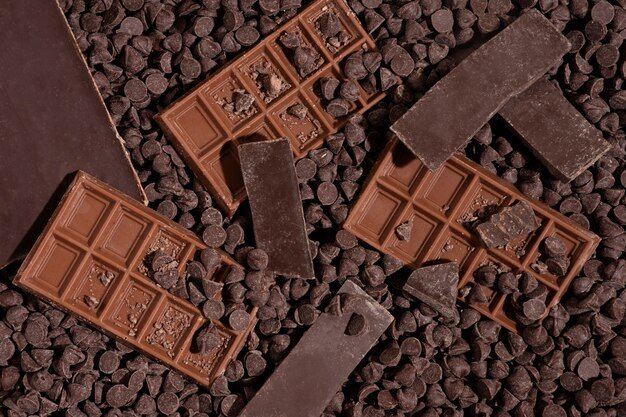
The standard, familiar Chocolate Bar has a consistent shape and size, with segmented squares or rectangles that let you break off just the right amount to satisfy your sweet tooth. In addition, most of the chocolate bars available in retail stores are either milk, dark, or white chocolates, ready to be eaten straight away.
On the other hand, Chocolate Tablets, also known as Chocolate Blocks or Bullion among confectioners, are typically anticipated for cooking and baking rather than immediate consumption. They often come in larger, thicker formats, offering a range of percentages of cocoa – perfect for recipes that demand specific chocolate intensity!
Practical Tips, How-Tos, and Actionable Advice
Knowing when to use Chocolate Bars or Chocolate Tablets can elevate your culinary creations to new heights.
A rich dark Chocolate Bar pairs extravagantly with a bold red wine like Zinfandel, or even a cup of coffee for an afternoon pick-me-up. Similarly, milk chocolate bars complement a glass of Sauternes, a sweet, French dessert wine.
In the realm of baking, using Chocolate Tablets with a 70% cocoa content or higher will bestow your goods with a deeper, richer chocolate flavor. They are typically better for melting and incorporating into recipes due to their consistency and straightforward ratio of cocoa to other ingredients.
While storing your chocolate, be sure to keep it in a cool, dry place, ideally between 60 and 70 degrees Fahrenheit. High temperatures can cause chocolate to “bloom” – a white, powdery coating on the surface that doesn’t affect the taste but can mar the look.
Why It’s Relevant to Chocolate Lovers
Understanding the dynamics between Chocolate Bars and Chocolate Tablets allows all chocolate lovers to enhance their daily indulgence or culinary experiments. By knowing the difference, you can make more informed choices that can better align with your dietary preferences, gastronomical explorations, or even ethical beliefs if you tend to opt for sustainably sourced chocolates.
Consider this, and then ask yourself: “How do you feel when you bite into a piece of elaborately crafted chocolate that complements your wine flawlessly? Or when you taste that depth of flavor in your homemade chocolate cake because you chose the right type of chocolate?”
Fun Facts and Educational Extras
Did you know that it takes about 400 cacao beans to make just one pound of chocolate? Or that chocolate was once used as currency by Aztecs? Incredible, isn’t it?
For those of you eager to continue your chocolate education, try picking up “The True History of Chocolate” by Sophie D. Coe and Michael D. Coe or tune in to the “The Chocolate Barista,” a podcast dedicated to the intersections of coffee, chocolate, and justice. And tell us in the comments: “What’s your favorite type of chocolate to bake with? Dark, milk, or white?”
Conclusion
In this enlightening journey through the world of Chocolate Bars vs. Chocolate Tablets, we’ve explored their differences in preparation, usage, and origins, uncovered excellent pairing recommendations, professional baking tips, and even some fascinating trivia facts about our beloved chocolate. Now that you know, we encourage you to embrace this new insight in your upcoming chocolate endeavors! Try a pairing, bake a cake, or explore ethically sourced options, and then share your stories with us. Your chocolate journey awaits, and as always, keep exploring the delightful and diverse world of chocolate!