

Introduction
Close your eyes and imagine this: a bite of rich, melt-in-your-mouth dark chocolate that sings with intense cocoa flavor, enhanced by a hint of vanilla. The creamy texture and robust aroma transport you to a lush tropical forest where the journey of this chocolate bar began. Evocative, isn’t it? As a self-confessed chocoholic, you cherish these little cocoa-imbued jewels for their taste but how often have you thought about their origins, their journey from a humble seed to your favorite treat?
In this post, we are delving deep behind the scenes to understand how Fair-Trade Certification affects the chocolate we cherish. So, all you chocolate connoisseurs, buckle up. We’re journeying from tropical rainforests to your local grocery store to decode the not-so-mysterious-after-all impact of chocolate on farmers, economies, and the environment. The adventure starts here!
The Topic Overview
Fair Trade Certification is a label that guarantees a level playing field for farmers and producers. It’s designed to ensure fair prices, decent working conditions, and a fair deal for farmers and workers in developing countries. The certification is seen on many products, including our beloved protagonist – chocolate.
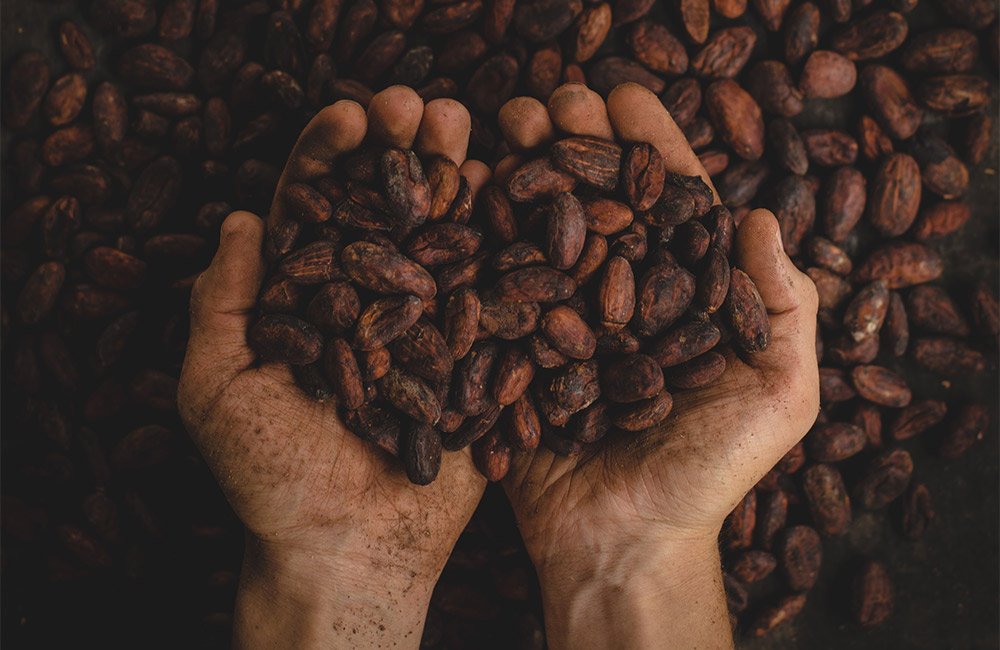
The journey of a chocolate bar begins with the cacao tree. The tree blooms deep within tropical forests, flourishing in areas within ten degrees of the equator. After carefully harvesting cacao pods, farmers remove beans, which are then fermented and dried in the sun. The beans are shipped worldwide, where they’re roasted, ground, and processed into that luxurious chocolate we all know and love.
Fair Trade Certification can significantly impact this process for the better. How? By ensuring that farmers receive a fair price for their beans, encouraging sustainable growing practices and prohibiting child labor. By choosing Fair Trade chocolate, you’re supporting a system that prioritizes respect for people and the planet at every step of the production process.
Practical Tips, How-Tos, and Actionable Advice
Next time you bite into your favorite chocolate bar, consider this: choosing Fair Trade certified chocolate is an easy but impactful step towards making a global difference.
Finding Fair Trade chocolate isn’t hard; look for the distinctive Fair Trade logo on the product’s packaging. Examples of brands that offer Fair Trade certified chocolate include Divine Chocolate, Alter Eco, and Equal Exchange.
Furthermore, be conscious of the origin of your chocolate. Single origin chocolates, or chocolates made from beans grown in a single geographic region, often have unique flavor profiles and contribute to preserving diverse cacao varieties.
When baking, remember to look out for Fair Trade certified cocoa powder and baking chocolate as well. They can add a delicious and ethical touch to your next batch of brownies, cookies, or cakes.
Relevance to Chocolate Lovers
This topic is relevant to conscious consumers who value the ethics and sustainability behind what they consume. Fair Trade certification is a way to improve the lives of cacao farmers and their communities while promoting a more equitable global trade.
Plus, choosing Fair Trade can enrich your chocolate experience. Just like savoring a good wine, understanding the backstory of your chocolate can make tasting it even more enjoyable.
Fun Facts and Educational Extras
Here’s a fun fact for you: Did you know that West Africa produces nearly 70% of the world’s cocoa? Now, isn’t that a reason to ensure this region is not marred by unfair trade practices?
Further, if you’d like to learn more about the chocolate industry and Fair Trade, documentaries like “The Dark Side of Chocolate” and “The Chocolate Case” are incredibly informative.
A question for you to ponder: Does knowing the backstory of your chocolate enhance your experience of enjoying it? Let us know in the comments!
Conclusion
Understanding the impact of Fair Trade certification on chocolate not only helps you make informed consumer decisions but also imbues your chocolate-loving experiences with a layer of mindfulness and respect for the process. Next time you’re looking for chocolate, reach for a Fair Trade bar, knowing you’re biting into a product infused with ethics and sustainability. Share your next Fair Trade chocolate discovery in a post and use the hashtag #FairTradeChocolate.
So, here’s a toast to enjoying chocolate that’s good for you, good for the farmers, and good for the world—the true taste of sweet success!
As we wind up, keep in mind the words of the legendary Milton Hershey, “Caramels are only a fad. Chocolate is a permanent thing.” And we add, “May it be a fair and ethical permanent thing indeed!”