
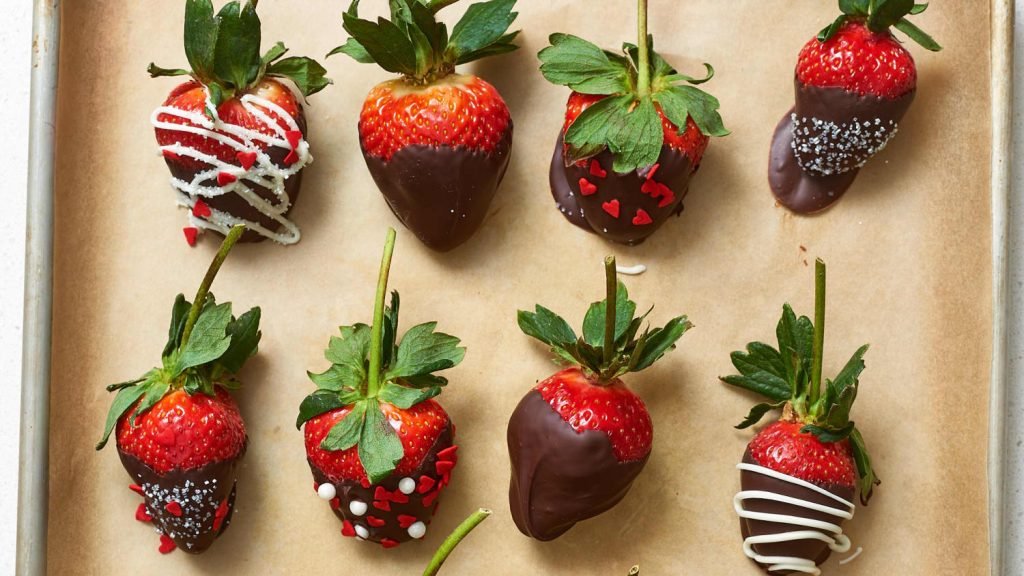

Imagine the delightful sensation as a piece of rich, creamy chocolate melts in your mouth, its intense flavor dancing on your tongue. Can you taste the sweet symphony of cocoa and sugar as intricate subtleties of aromas appear at each stage of melting – first a hint of cherry, then a whisper of vanilla, and finally a touch of roasted nuts? If this resonates with you, then you, my friend, might be a chocolate connoisseur. But have we ever considered enhancing this already heavenly experience with a tangy, fruity companion? Well, that’s what this post will focus on: pairing chocolate with fruits for the ultimate dessert. So buckle up, chocolate lovers, as we dive into a world where cacao meets cranberry, and Mandarin mingles with milk chocolate.
The Essentials
The art of pairing chocolate with fruits is a timeless tradition. By carefully selecting a combination that compliments each other, you can create a symphony of flavors that elevate your culinary experience.
Chocolate, as we know, comes in an array of types and flavors. From bittersweet dark chocolate, creamy milk chocolate, the moustache-twisting white chocolate to the newcomer ruby chocolate, the variety is impressive. Similarly, the spectrum of fruits provides unique flavors, from the robust tartness of berries to the sweet zestiness of citrus, the smooth sweetness of bananas, or the subtly fragrant pears.
On a chocolate journey, you will discover intense pairings like dark chocolate and oranges, mustard-save combinations like milk chocolate and cherries, risky ventures like white chocolate and figs, or unexpected pleasures like ruby chocolates and passion fruit. These combinations have been tried, tested, and perfected over time, creating a glorious symphony of sweetness, bitterness, and tanginess.
Practical Tips
Here’s a fun way to start experimenting with chocolate and fruit pairings. Prepare a Chocolate and Fruit Tasting board for your next gathering. Select a mix of dark, milk, and white chocolate. Find a variety of fruits that offer contrasting flavors. Cut the fruits into bite-sized pieces and arrange them neatly on the board, grouping them by their type.
Presenting your medley of tastes, you can offer charming combination advice: “Try a piece of dark chocolate with a slice of pear,” or “Sample some milk chocolate with a segment of orange.” You can even suggest the more adventurous outings – “Care to try white chocolate and fig?”
Why It Matters
Understanding chocolate and fruit combinations allow you to get more creative with your recipes and create unique desserts. It can even take your wine and cheese tasting parties to the next level. As you home in on your favorite combinations, you might discover a newfound appreciation for the versatility and complexity of chocolate, introducing a sweet twist to your culinary adventures.
Fun Facts
Did you know that chocolate was used as a remedy throughout history? It’s true! Ancient civilizations used it to treat ailments like stomach pain and even heart disease. Talk about delicious and beneficial! Do you want to learn more about the fascinating world of chocolate? Check out our earlier blog post on the history of chocolate.
Final Thoughts
In summary, experimenting with chocolate and fruit pairings can unlock a new frontier of flavor and enrich your dessert experience. Why not challenge yourself to create a unique chocolate and fruit combo at your next gathering? As your guests marvel at your culinary creativity, don’t forget to share your experiences with us. So, what’s your ideal chocolate and fruit pairing? Do let us know in the comments below! Remember, no combination is too wild. After all, the sweet world of chocolate is all about adventure!
SEO Considerations:
Through the post, ensure the primary keywords “Chocolate and Fruit Desserts”, “Chocolate and Fruit Pairings”, and “Experience Chocolate Flavor” are used naturally. Moreover, related terms like “dark chocolate”, “milk chocolate”, “chocolate experience”, and “fruit flavors” should be included to improve SEO. The post should also include internal links to other relevant posts on the website and external links to reputable resources.
Tone & Style:
The post should be written with a friendly and enthusiastic tone, making the readers feel welcomed and excited about chocolate. The language should be clear and informative, providing valuable information without overwhelming the reader. When describing chocolate and fruit flavors, use sensory language to help the readers visualize the experience. For example, “The smooth, velvety texture of the chocolate dances with the tart robustness of the fruit, creating an overwhelming sensation that lingers on your palate.”